Construction Hub
Onshore overview
In late 2026, we plan to start essential pre-construction preparatory works in the vicinity of the onshore converter stations with main construction work for the converter stations anticipated to start in summer 2027.
For more information, please visit our current construction activities section.
Offshore overview
Offshore survey activities are due to continue in 2027 – do check back for updates then.
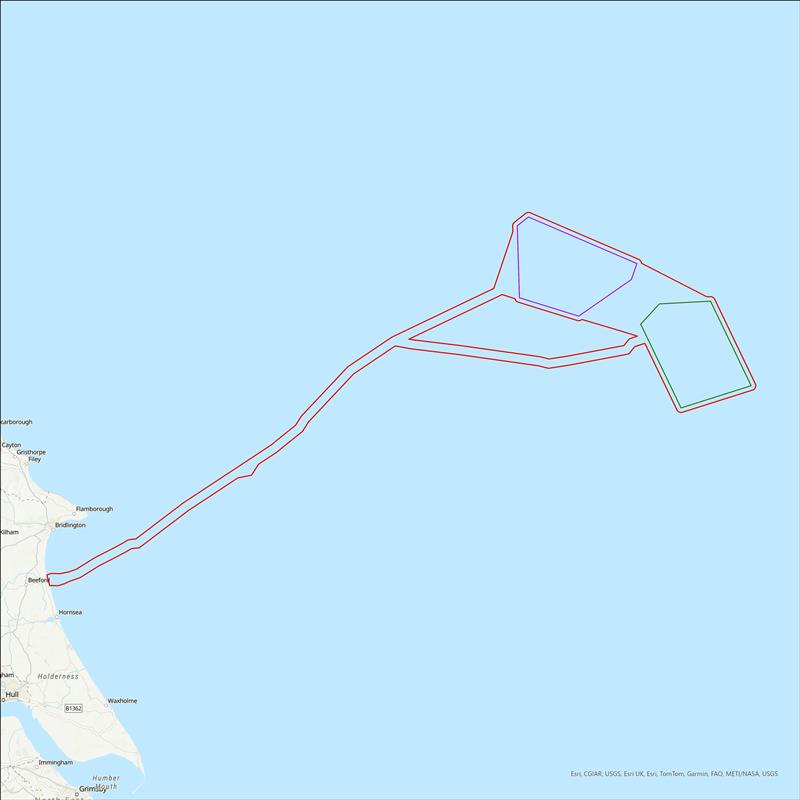
Location of the offshore infrastructure for the DBS projects
Guides to key construction milestones:
Onshore converter stations – a guide to the main onsite milestones
Site set up and safety first
What happens:
Site offices, workforce welfare units, security fencing and temporary roads are installed. Safety systems and traffic plans are agreed.
What you'll see:
Deliveries of stone, pipes, welfare units, fencing and general construction activity.
Why it matters:
Creates a hub for the construction activities involved in building the onshore converter stations.
Surveys and setting out
What happens:
Engineers mark out where buildings, foundations and equipment will go.
What you'll see:
Survey teams with tripods and markers on the ground.
Why it matters:
Ensures everything is built in the right place.
Early landscaping
What happens:
Planting of trees as early as possible to establish and start providing screening to the onshore converter stations.
What you'll see:
Landscapers planting trees.
Why it matters:
To establish the trees so the screening benefits are realised as early as possible.
Earthworks, access and drainage
What happens:
Ground is levelled, access roads, temporary laydown areas, drainage installation and level platforms for the converter stations are constructed.
What you'll see:
Earth moving machines, trucks and deliveries of stone.
Why it matters:
Prepares the site for construction of the converter stations and installs the primary drainage systems.
Foundations and trenches
What happens:
Concrete foundations are constructed for buildings, transformers and cable trenches / ducts are installed.
What you'll see:
Concrete deliveries, reinforcing steel, formwork and excavations for cable ducting.
Why it matters:
Foundations are required to support the structures that you can see above ground.
Building construction
What happens:
The valve hall, control building and other structures are built and made weather tight.
What you'll see:
Steel structures, roofing and cladding works.
Why it matters:
Provides protected space for sensitive electrical equipment.
Earthing, fencing and external works
What happens:
Grounding systems and lightning protection are installed. Permanent fencing, internal roads and hardstandings completed.
What you'll see:
Fences to the perimeter of the converter stations and tall lightning masts being installed around the site.
Why it matters:
Protects people and equipment from electrical faults and lightning.
Heavy lifts — placing the big pieces
What happens:
Transformers, external electrical equipment and converter modules are delivered and lifted into place.
What you'll see:
Large deliveries, cranes and carefully choreographed lifts (often on specified delivery days).
Why it matters:
These are the site’s largest and most critical installations.
Mechanical completion
What happens:
All the ancillary mechanical equipment is installed and integrated into the overall converter station system.
What you'll see:
Specialist technicians working around major equipment and carrying out commissioning activities.
Why it matters:
Ensures equipment is ready for electrical work.
Electrical installations
What happens:
Busbars, switchgear, and major power connections inside the buildings are installed.
What you'll see:
Electricians, cable trays, and panel work inside and outside of the buildings.
Why it matters:
These connections allow the station to receive and distribute power.
Cable jointing and terminations
What happens:
Underground cables are joined and terminated to the equipment.
What you'll see:
Jointing huts, specialist crews and test equipment.
Why it matters:
Correct joints and terminations are vital for reliable, safe power transfer.
Station services and control systems
What happens:
Uninterrupted power supplies, HVAC, fire systems, relay cabinets, fibre optic and control hardware are installed.
What you'll see:
Control rooms being fitted out and technicians testing communications.
Why it matters:
These systems enable the stations to be monitored continually.
Pre-commissioning tests
What happens:
Insulation, continuity, polarity and relay tests are performed to verify installations.
What you'll see:
Test equipment, engineers carrying out checks and recording results.
Why it matters:
Identifies issues early so they can be fixed before energisation.
Energisation
What happens:
Station service systems and transformers are energised step by step under controlled conditions and with coordination from National Grid.
What you'll see:
Very little of this operation will be visible as it is carried out in controlled conditions.
Why it matters:
Marks the moment the station becomes electrically live.
Converter commissioning and performance testing
What happens:
Converter control systems are brought online, DC tests performed, and performance checks carried out under load.
What you'll see:
Engineers conducting live tests and carefully monitored power transfers.
Why it matters:
Ensures the station operates correctly and reliably at its intended capacity.
Training, handover and closure of the construction site
What happens:
Operator training, delivery of manuals and as built drawings, and resolution of any remaining minor issues.
What you'll see:
Training sessions and document handovers with the local operator team.
Why it matters:
Prepares the local team to operate and maintain the station safely.
Demobilisation and site reinstatement
What happens:
Temporary facilities are removed and the temporary construction areas are reinstated to the original condition. Tree planting in landscaped areas is completed to help with screening.
What you'll see:
Landscapers planting trees and hedgerows, installation of stockproof fencing. Removal of welfare units, stone hardstandings and temporary services. Earthmoving equipment reinstating the topsoil.
Why it matters:
Leaves the site in its final, agreed condition.
Onshore export cable — a guide to the main onsite milestones
Short, friendly guide to the main onsite milestones you’ll see while we install the onshore export cable.
Site set up & access
What happens:
Site compounds, traffic management, temporary welfare, delivery / laydown areas and safety measures.
What you'll see:
Site trailers, signage, delivery traffic and temporary roadworks.
Installation of access points
What happens:
Construction of bell-mouth entry points from the highway to temporary site access points and installation of fencing and gates.
What you'll see:
Site trailers, signage, delivery traffic and temporary roadworks.
Survey checks & setting out
What happens:
Verification of the route, setting out of trenches, joint bays and HDD entry / exit points.
What you'll see:
Survey teams, markers and wayleave signage.
Vegetation clearance & protective measures
What happens:
Targeted clearance, protected species mitigation and temporary fencing where required.
What you'll see:
Small crews removing vegetation and protective fencing; environmental monitors on site.
Trenching, ducting or trenchless preparation
What happens:
Open trenches and ducting installed, or preparation for trenchless works (HDD) at crossings.
What you'll see:
Excavators, stacking of spoil, and ducting being laid or HDD rigs being mobilised.
Horizontal directional drilling (HDD) or piling for crossings
What happens:
Trenchless crossings under roads, rivers or coastal areas are drilled and reamed ready for cable pull through.
What you'll see:
HDD rigs, mud recycling units and enclosed worksites at entry / exit pits.
Cable delivery, handling & storage
What happens:
Drums or reels are delivered, stored on prepared mats and inspected before jointing / pulling.
What you'll see:
Large cable drums, escorted deliveries and careful handling teams.
Cable pulling & laying in ducts/trenches
What happens:
Cables are pulled into ducts or laid into trenches and temporarily protected; joint bays left for splicing.
What you'll see:
Cable pulling crews, winches, temporary joint huts and traffic management for roadside works.
Jointing, splicing & terminations
What happens:
Skilled teams perform heat shrinks / resin joints and make terminations at landfall and the station. Works are highly controlled and weather sensitive.
What you'll see:
Jointing huts/tents, specialist engineers and test equipment.
Backfill, protection & reinstatement
What happens:
Trenches are backfilled, ducts grouted / filled where needed and surfaces reinstated (tarmac, grass, pavements).
What you'll see:
Compactors, topsoil, and reinstatement crews returning the route to its agreed condition.
Testing & pre commissioning
What happens:
Insulation / DC withstand tests, sheath continuity / earthing checks, partial discharge / TDR and joint acceptance tests.
What you'll see:
Test engineers, trailers with test equipment and short, planned access restrictions.
Cable energisation & commissioning
What happens:
Final terminations energised in coordination with the station / grid operator and monitored under controlled conditions.
What you'll see:
Brief planned switching operations and engineering teams monitoring test runs.
Handover, monitoring & demobilisation
What happens:
Final inspections, as built records handed over, environmental checks and removal of temporary facilities.
What you'll see:
Demobilised plant, site tidy and restored public access.

More details
- Sign up for e-news bulletins to receive alerts about onshore activities in the vicinity of the onshore converter stations, onshore export cable route and landfall.